Album Art the Dark Side of the Moon Massey Hall
"The Dark Side of the Moon": How an Album Cover Became an Icon
Pink Floyd would have been a perfect match for the visually oriented era of Pinterest and Tumblr had the band emerged today.
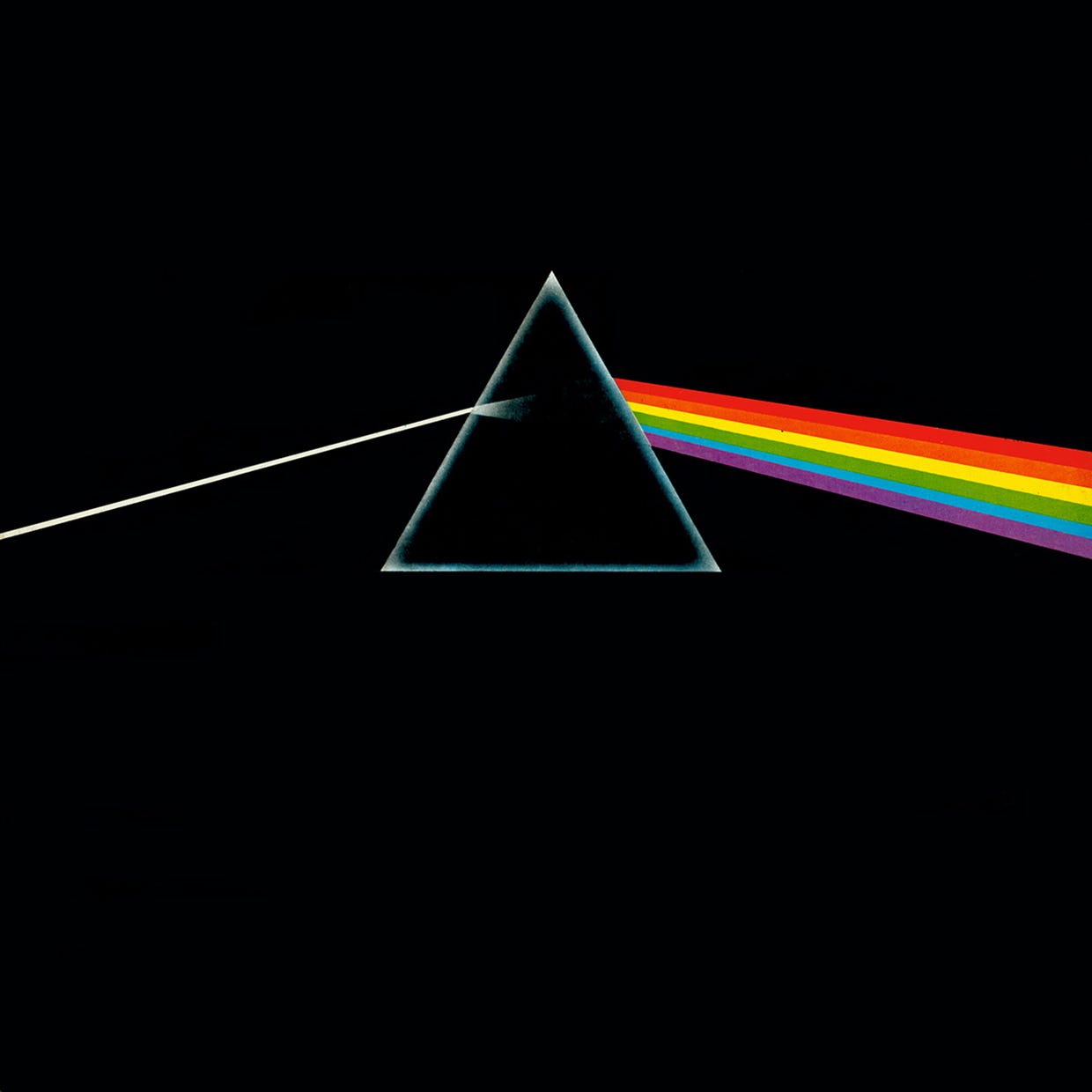
At the elevation of Pink Floyd's popularity in the 1970s, the Floyd's visually absorbing anthology covers and iconography complemented the artistry of the its music and generated buzz that would brand the Word of Oral fissure Marketing Clan proud. Nowhere is the power of Pink Floyd's visual entreatment more apparent than the cover for the album The Dark Side of the Moon, released 44 years ago. The Nighttime Side of the Moon is not only one of the greatest albums ever made, its encompass became an visual icon for Pink Floyd itself — a placidity, mysterious squad of 4 musicians who let their music and visual stories speak for them. For its ability to create mystery and intrigue for four decades, The Dark Side of the Moon joins my hall of fame of memorable album covers.
The Night Side of the Moon comprehend art created intrigue when the album landed in record stores in March 1973. At the time, Pink Floyd was on the cusp of becoming a mainstream success with a growing fan base. The embrace, depicting white light passing through a prism to course the bright colors of the spectrum against a stunning black field, invited listeners to explore the music inside — and yet does today. The mystery began after you heard the mind-blowing music on the album coupled with bassist Roger Waters's deeply personal lyrics exploring themes of alienation, loss, and materialism.
In context of intense songs like "Time" and "United states and Them," what did the album cover hateful, exactly? The mystery deepened when you studied the poster and stickers of pyramid shapes establish inside the album sleeve.

None of the band members offered an explanation, leaving it upwards to fans to add their ain meanings, a procedure that required repeated anthology listens and word with other fans. (In an interview with Ed Lopez-Reyes of Floyd news site Encephalon Damage, I likened Pink Floyd to magicians who don't explain their tricks.) It's no wonder that the album turned Pink Floyd into major stars, sold 50 million copies and remained on the Billboard charts 741 weeks.
The Night Side of the Moon design is another product of the fertile creative team of Aubrey Powell and Tempest Thorgerson of Hipgnosis, who are responsible for creating some of rock's most memorable album covers, such as Led Zeppelin's Houses of the Holy. Every bit discussed in Mark Blake'southward Comfortably Numb: The Inside Story of Pinkish Floyd, the original design emerged from Powell's and Thorgerson'south practice of conducting brainstorming sessions that stretched from belatedly evening until 4:00 a.m. (Hipgnosis had been given minimal creative direction by the ring other than a suggestion by keyboardist Richard Wright to "do something clean, elegant and graphic.")
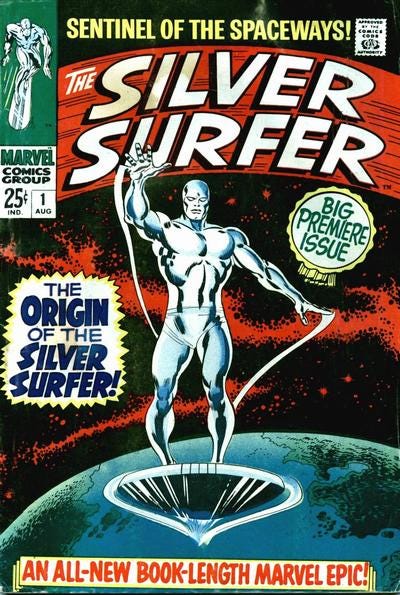
One night, Thorgerson showed Powell a black-and-white photo of a prism with a colour beam projected through it — an epitome he'd also noticed in a physics textbook. Afterwards graphic designer George Hardie provided his expertise, Hipgnosis presented the prism design along with some others ideas to the band (including a design that featured the Marvel Comics hero the Silver Surfer).
The band approved prism concept nigh immediately. Waters also suggested that the image extend across the gatefold and include on the inside the suggestion blip of a heartbeat (every bit you would run into on a infirmary monitor).
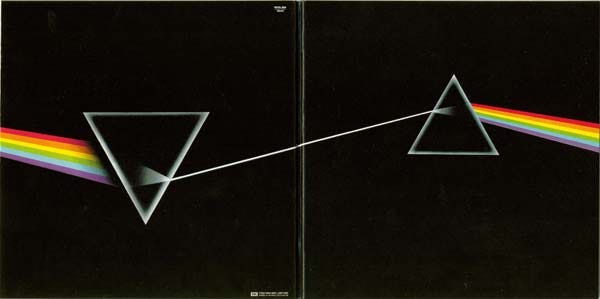

There was to be no mention of the band's proper noun or album title. Higpnosis countered with some ideas of its own: the creation of the inserts that record fans found when the opened the album, including an infrared photo of the pyramids at Giza. Thorgerson so personally undertook the photo shoot of the Giza pyramids sometime afterward 2:00 a.m. on a articulate dark with a "fantastic" moon visible.

When the album was released, it was an immediate commercial and critical success (even though the ring went out of its way not to promote information technology), and a happy marriage of acclaimed music and memorable artwork. The covers made for brilliant images to brandish in tape shop windows. The prisms adorning the front and dorsum inspired tape stores to brandish copies of the albums in various combinations, such equally images of repeating prisms interlocking. And soon fans began creating their ain visual interpretations:
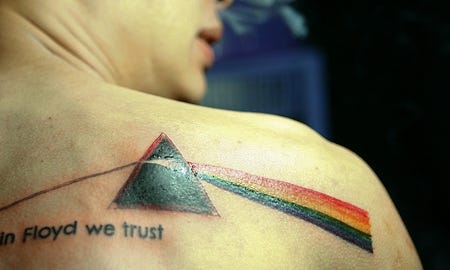

Considering the band members (Waters, Wright, David Gilmour, and Nick Mason) remained reclusive even as the album was turning into a massive best seller, The Dark Side of the Moon comprehend came to symbolize Pink Floyd.
As Johnny Morgan and Ben Wardle wrote in The Art of the LP, "The anthology was so successful that it is this image which, for virtually people, immediately represents Pink Floyd. Fifty-fifty Floyd fans could accept walked past Wright or drummer Nick Mason in the street without recognizing them, but show them the prism and they'd say: 'Pink Floyd.'"

The album helped turn Pink Floyd into one of the biggest bands in the world, with financial wealth, a mainstream following, and broad disquisitional acceptance. However, the trappings of fame created in part by the album's success created enormous tension and alienation that would Waters to write the iconic The Wall in 1979.
The Dark Side of the Moon is invariably hailed as one of the greatest and about influential albums ever — certainly a defining moment of the progressive stone genre. And the mystery of the cover art remains today. Like all expert art, the cover (not to mention the music) remains open to interpretation — a night, bulletproof symbol of the enduring ability of music.
Follow me on Twitter at davidjdeal .
Source: https://davidjdeal.medium.com/pink-floyds-the-dark-side-of-the-moon-how-an-album-cover-became-an-icon-e95bae0bdc32
0 Response to "Album Art the Dark Side of the Moon Massey Hall"
Post a Comment